
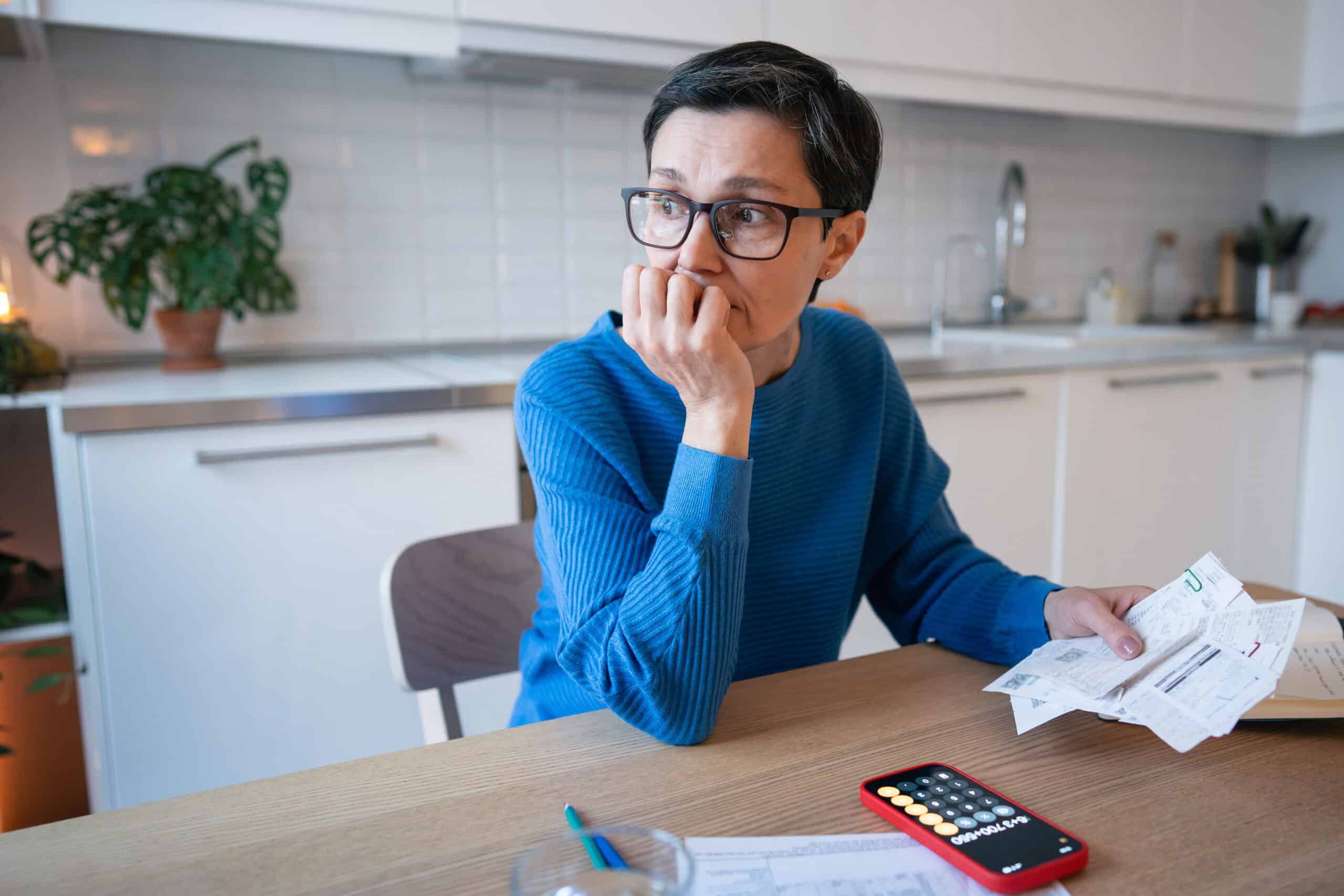
When it comes to earning power and retirement savings, the average Australian woman’s experience is often different from the average man’s – regardless of whether you’re in a relationship or happily single, it’s a good idea to plan for your retirement. Relying on someone else, who may not be around when you reach retirement age, could leave you with less than you need to retire comfortably.
In September 2025, the Super Members Council released a report, Economic security in retirement: how life events affect older Australian women, which used the latest data and economic modelling to show how women often face more obstacles to achieving financial security in retirement than men.
While there has been some progress, women still generally retire with less super than men. This is partly because super is linked to paid work, which can lead to women being disadvantaged – for example, women usually take more time away from work than men to have children. Even if they’ve never had children, the gender pay gap means women typically earn less than men, which can also affect the amount deposited into their super account.
The report also considers life events that may be experienced at older ages, which have been much less visible in public policy relating to superannuation and retirement than raising a family. Many of these events have strong gendered patterns which mean women tend to be disproportionately affected compared to men. These include:
- Separation and divorce: Women aged 50 or older face a greater risk than younger women of entering and remaining in poverty for at least five years following a separation[1]. Older women are also less likely to re-partner than younger women, which further limits their ability to pool resources.
- Informal caregiving demands: More than 1 in 10 women (about 11 per cent) will face demands to be a primary caregiver during the ages of 45 and 65, often for a sick partner or elderly parents. By comparison, fewer than 1 in 20 men (just over 5 per cent) in the same age range face similar demands[2].
- Family violence: Over a quarter of Australian women (27 per cent) have experienced physical or sexual violence by an intimate partner or family member since the age of 15, compared to just 12 per cent of men[3]. Even more sobering, up to half of women who choose to leave a violent relationship will end up in poverty or homelessness[4].
While the report recommends a number of policy reforms to help improve women’s retirement outcomes at a systemic level, growing your super balance can help soften the blow of unexpected or adverse life events.
You can make personal contributions to your super at any time as a regular transfer or a one-off payment from your bank account, which means you could have more savings to retire with. You might also be able to claim a tax deduction on these contributions to reduce the amount of income tax you pay in a financial year.
If you earn less than $62,488 a year and make one or more personal (after tax) contributions to your super account, the government may also make a contribution (called a co-contribution) up to a maximum amount of $500 a year. If you earn less than $40,000 a year and your spouse contributes to your super, they may be able to claim a tax offset of up to $540 while supporting you to grow your super.
For more information about the different ways to add to your super, visit www.visionsuper.com.au/super/making-contributions.
This article contains general advice only and has been issued by Vision Super Pty Ltd (ABN 50 082 924 561) (AFSL 225054) as the Trustee of the Local Authorities Superannuation Fund (ABN: 24 496 637 884) (‘Vision Super’). The advice does not take into account your personal objectives, financial situations or needs. Before acting on the advice, you should consider whether it is appropriate for you, having regard to your own circumstances, and obtain the appropriate Active Super Product Disclosure Statements (PDS) / Member Guides and Target Market Determination (TMD) available from www.activesuper.com.au or the appropriate Vision Super Product Disclosure Statements (PDS) and Target Market Determinations (TMD) available at www.visionsuper.com.au.
[1] Measured relative to their still-married counterparts. Broadway et al (2022), From partnered to single.
[2] ABS (2024), Disability, Ageing and Carers, Australia, 2022, Carers tables.
[3] ABS (2023), Personal Safety, Australia, 2021-22.
[4] Summers, A. (2022), The choice: Violence or poverty, University of Technology Sydney.